Pauline Group
Quality and Compliance engineering and manufacturing context

Quality Approach

Evidence-led quality

Quality and Compliance for Custom Industrial Products

Set out Pauline's evidence-led approach to drawings, approved samples, inspection, materials, traceability, buyer-defined compliance requirements and controlled changes. Pauline connects the engineering decision, manufacturing route, sample approval and delivery context for B2B product programs.

For industrial OEMs, product companies and engineering teams evaluating whether Pauline can be a credible long-term manufacturing-development partner.
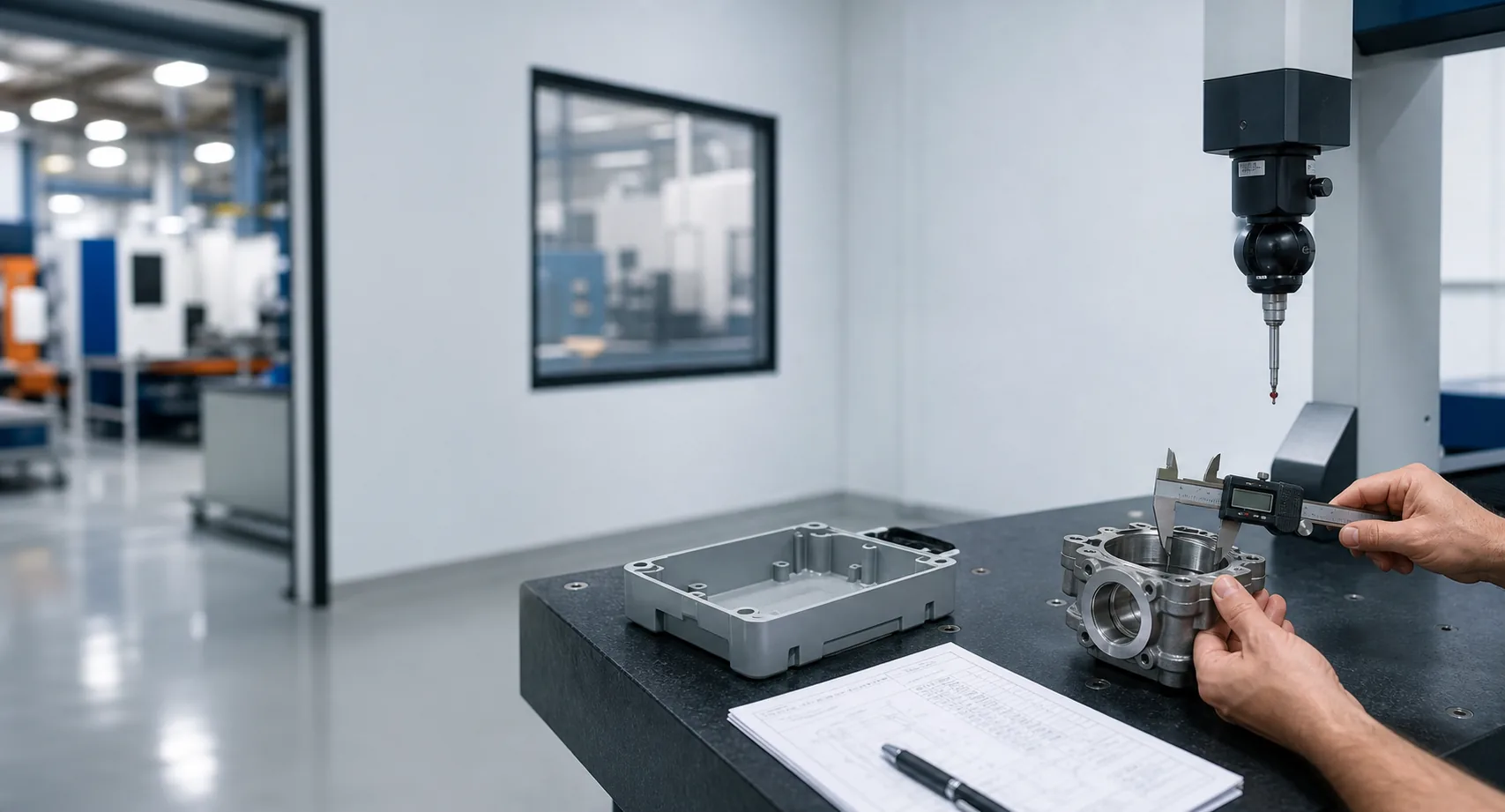
Illustrative Quality and Compliance project context

Buyer qualification brief

What a buyer should verify when evaluating Quality and Compliance

For industrial OEMs, product companies and engineering teams evaluating whether Pauline can be a credible long-term manufacturing-development partner, Pauline uses quality and compliance planning, DFM or process review, material and finish selection, component matching, sample strategy, quality planning and handover to create a more controllable quality and compliance route that supports the complete product rather than an isolated quotation. Good qualification is project-specific. It checks technical communication, evidence, responsibility and approval controls instead of relying on generic capability, certification or customer-reference claims.

Buyer context

industrial OEMs, product companies and engineering teams evaluating whether Pauline can be a credible long-term manufacturing-development partner

Evidence to request
Claim boundary

an unverified statement about facilities, certifications, customer relationships, performance metrics or legal entity details that has not been approved for publication

Discuss this product route

Case-study structure

What a credible Pauline project story should show.

Each case should describe the buyer problem, the engineering route, the evidence used to make decisions and a result that is approved for publication. It should never substitute an unrelated customer name or an unverified performance claim.

Case 01
Client type
Industrial equipment OEM
Challenge
Molded housing, metal structure and purchased components create unclear interface ownership.
Engineering and manufacturing route
Requirements, DFM, prototype/fit review, tool route, assembly checks and approved-result publication.
Validation and result
Publish the buyer-approved acceptance method, evidence and result only after the project owner confirms its scope and wording.
Case 02
Client type
Energy or outdoor product team
Challenge
Exposure, service access, sealing and enclosure choices must be resolved before production release.
Engineering and manufacturing route
Application analysis, material/process comparison, sample or trial evidence and project-specific validation.
Validation and result
Publish the buyer-approved acceptance method, evidence and result only after the project owner confirms its scope and wording.
Case 03
Client type
Product development or sourcing team
Challenge
An existing product or supplier base needs a documented transfer, cost-down or quality recovery path.
Engineering and manufacturing route
Tool and data review, controlled samples, change ownership, incoming checks and a defined delivery handover.
Validation and result
Publish the buyer-approved acceptance method, evidence and result only after the project owner confirms its scope and wording.

Customer relationship and project evidence

Show the working relationship alongside the technical route.

For a case study to be credible, the reader needs to understand who owned the product decision, which constraints mattered, what Pauline coordinated and which result can be published. Customer meetings and reviews give context, but they never

Weekly project updates and photos made the tooling milestones easier for our team to manage.
Paula WilsonSales Director, France
Pauline customer feedback.
Pauline Group meeting overseas customers and project partners
Customer and partner meeting collage. Do not imply a named-company relationship without approved context and publication permission.

Evidence checkpoint

What to verify when evaluating Quality and Compliance.

Trust is stronger when scope, ownership, quality evidence and project responsibilities are visible. The purpose of this section is to tell buyers what can be checked before a commitment is made.

01Evidence to request
CAD, drawings, a sample or product brief, target use, quantity, material and finish direction, mating parts and the decision to resolve
02Expected control
critical features, approved references, component checks, controlled changes and project-specific acceptance points
03Claim boundary
an unverified statement about facilities, certifications, customer relationships, performance metrics or legal entity details that has not been approved for publication

Use the published information to frame a due-diligence discussion. Confirm current scope, document relevance and project ownership before relying on any claim.

Request an evidence review

Project context

This page addresses manufacturing quality and compliance China for industrial OEMs, product companies and engineering teams evaluating whether Pauline can be a credible long-term manufacturing-development partner. It is designed to make the buyer's next manufacturing decision clearer by linking the product requirement, process route and approval evidence before cost, tooling or schedule commitments become difficult to change.

What qualification needs to solve

Quality and Compliance for Custom Industrial Products is relevant when a buyer needs to turn CAD, drawings, a sample or product brief, target use, quantity, material and finish direction, mating parts and the decision to resolve into a credible route. Start by confirming the product function, end use, interfaces, expected quantity and decision owner. That separates information that can be resolved through engineering review from questions that need a prototype, tool trial, supplier check or controlled sample.

How the project route should be evaluated

The work in scope is quality and compliance planning, DFM or process review, material and finish selection, component matching, sample strategy, quality planning and handover. Engineering review should expose the interfaces that can create avoidable risk: where one part supports another, where a seal or fastener affects access, where a cable, port or purchased component needs clearance, and where a material or feature changes the selected process. A practical DFM or feasibility recommendation states what should change, why it matters and which product requirement it protects.

Working scope

What Pauline can coordinate

  1. 01Requirements and file review
  2. 02Engineering and DFM support
  3. 03Material and process selection
  4. 04Component and accessory matching
  5. 05Sample and quality planning
  6. 06Production and delivery coordination

Where evidence and responsibility need to be visible

a controlled route from requirements review through samples, approvals, production coordination, verification and delivery preparation is the operational backbone. Process choice should follow geometry, expected volume, material behavior, finish, assembly sequence, service access and the evidence needed for release. A parting line, port position, bend relationship, fastening strategy, coating choice or material specification is part of the product architecture, not a late manufacturing detail.

critical features, approved references, component checks, controlled changes and project-specific acceptance points When a program uses purchased items or final assembly, responsibility should be visible before parts arrive: supplied components need an approval basis, interfaces need a fit plan and the final build needs a check that reflects use. Material selection is reviewed against the product function, environment, durability, appearance, processing route and the buyer's required documentation before it is finalized. Accessory matching covers relevant fasteners, inserts, seals, labels, cables, fittings, bought-out items, packaging and the interfaces that can change assembly or service access. Those controls reduce the chance that an assembly station becomes the first place a mismatch is discovered.

Commercial, quality and delivery controls

The intended buyer is industrial OEMs, product companies and engineering teams evaluating whether Pauline can be a credible long-term manufacturing-development partner. These teams are usually protecting a product lifecycle, not just seeking a unit price. Share the application, target quantity, launch timing, existing tools or suppliers, markets, required documents, critical features and the next decision to make. Where disclosure is sensitive, start with an NDA request and controlled file versions.

MOQ is a project variable, not a generic marketing number. It follows the process route, tooling or setup investment, component sourcing, material, finish and forecast. Freeze custom requirements through released drawings, material specifications, component interfaces and approved samples. Colors, textures, coatings, print, marking, labels and cosmetic standards should be defined with a controlled reference or approval sample before regular production. Buyer-defined material, safety, market, customer and documentation requirements must be recorded and validated through the agreed project plan; no unverified certification or performance claim should be implied. Timing should include requirements closure, engineering review, samples, tooling or setup, material and component readiness, approvals, production and final delivery preparation rather than a generic calendar promise. The purpose is to give the buyer a comparison basis that protects the product, schedule and accountability line.

Frequently asked questions

Questions buyers ask before the project starts

Start with CAD, drawings, a sample or product brief, target use, quantity, material and finish direction, mating parts and the decision to resolve. Verification should follow the agreed critical features, approved sample, material and component requirements, finished assembly and buyer-defined documentation. Quality and Compliance is useful when checks answer a release decision rather than create an unstructured inspection report.

Next step

Bring the product context. We will help define the manufacturing conversation.

Use the quick enquiry for a fast route discussion, or use the detailed project form to share CAD, drawings, a sample description or an existing tooling issue.

Request a Quote