→
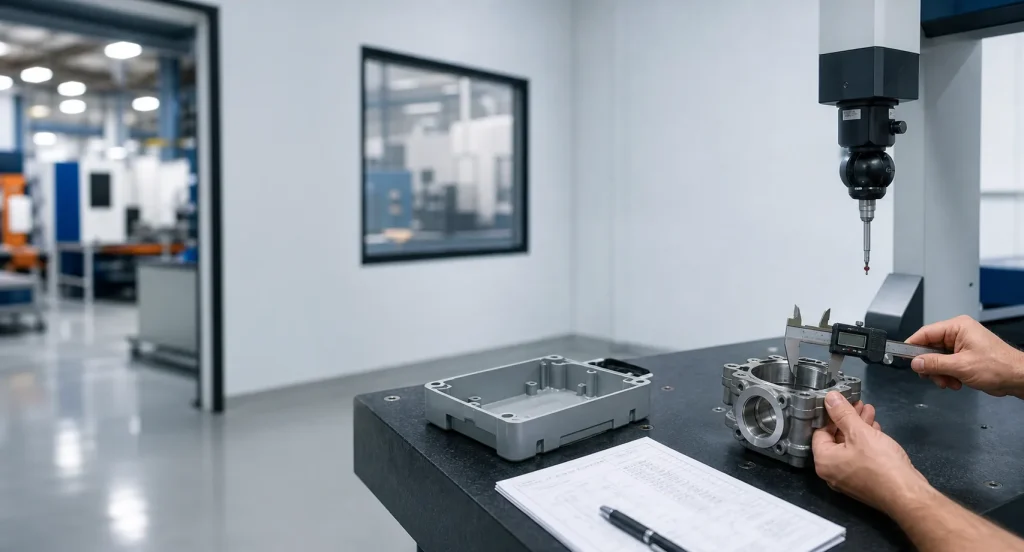
Custom Fixture and Test Part
A low-volume machined application for prototypes, gauges and controlled production checks.


DFM and DFA
Product definition to production
Use DFM and DFA to make tooling, material, assembly and quality decisions while they can still improve the product rather than delay its launch.
For OEM product engineers, industrial designers and procurement teams who need CAD to become a repeatable industrial product.
Service Overview
For OEM product engineers, industrial designers and procurement teams who need CAD to become a repeatable industrial product, Pauline uses part-split review, draft and...
For OEM product engineers, industrial designers and procurement teams who need CAD to become a..., the first review connects drawings, samples or a brief with volume, material, finish, components, validation and delivery expectations.
Applications
→
A low-volume machined application for prototypes, gauges and controlled production checks.
→
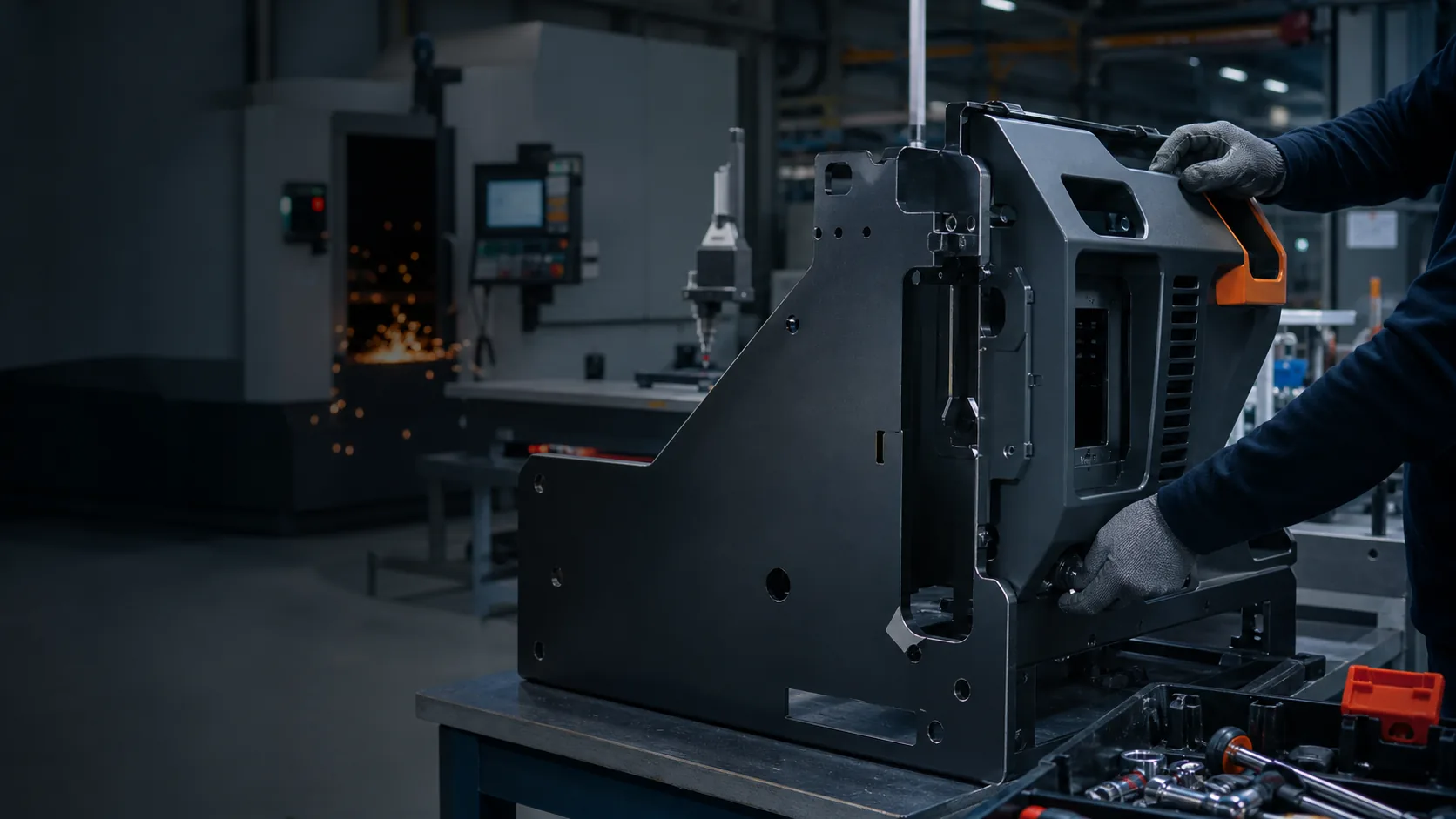
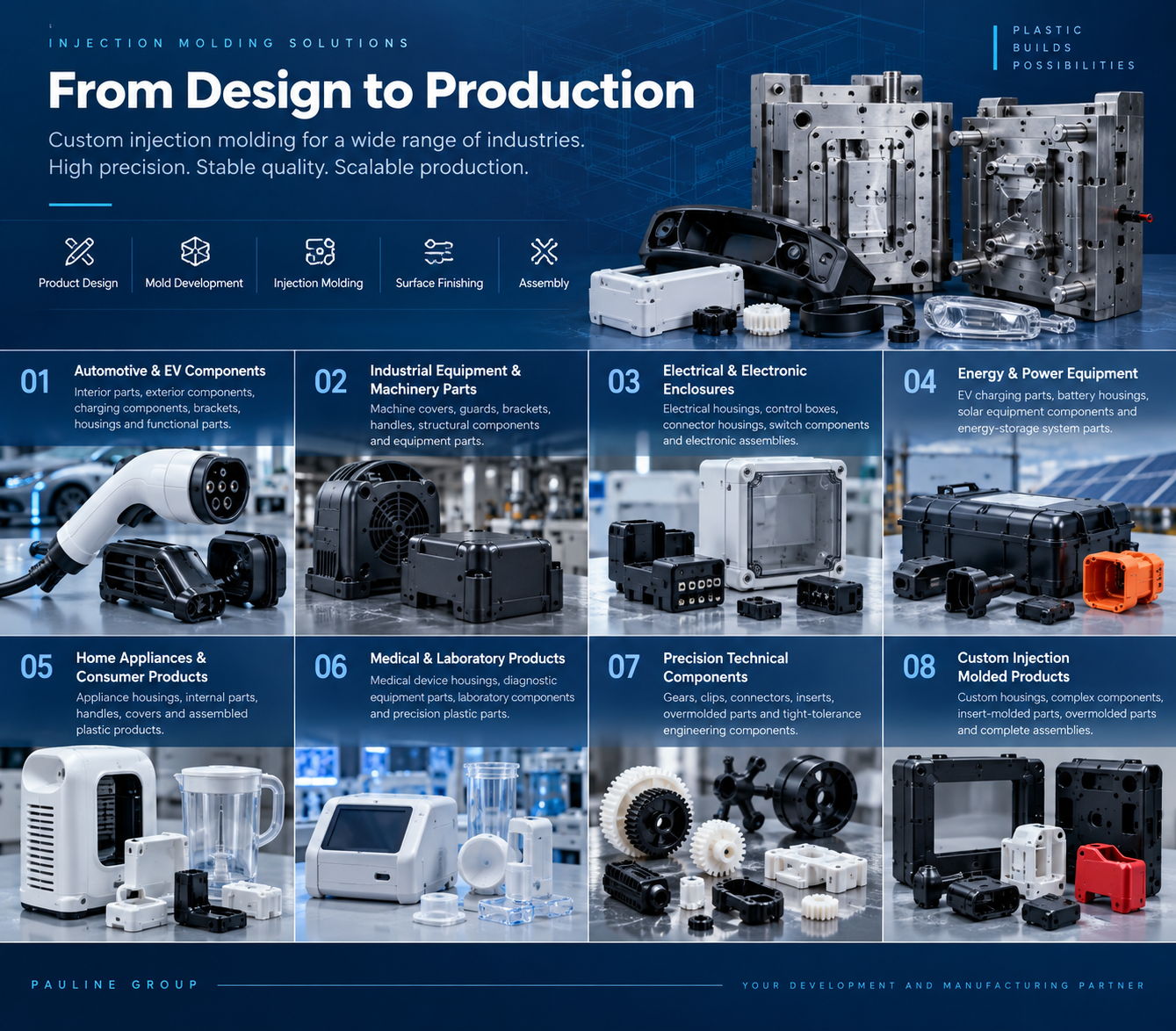
A complete-product template for plastic, metal, bought-out parts, inspection and packing.
→
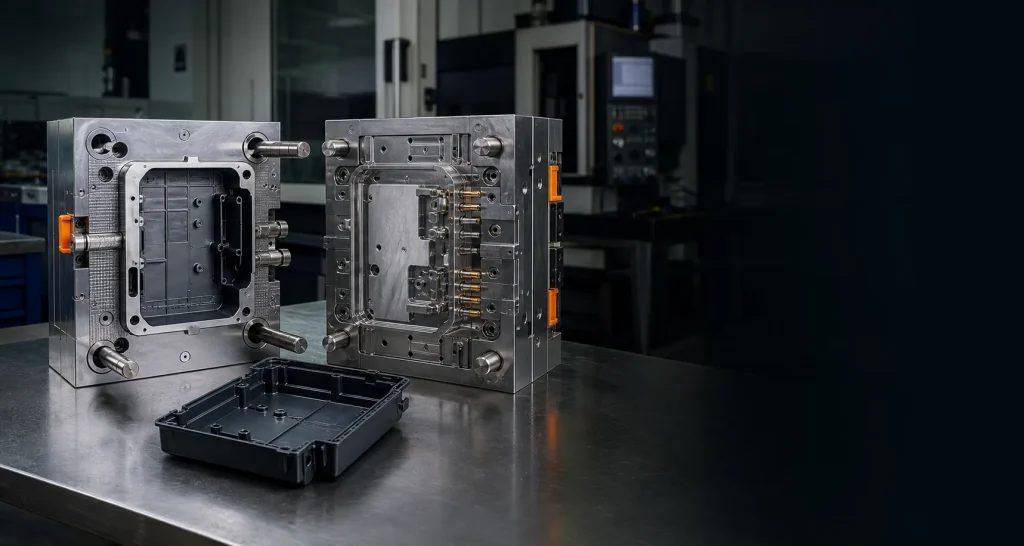
A molded cover template for clips, fasteners, texture, service access and assembly fit.
→
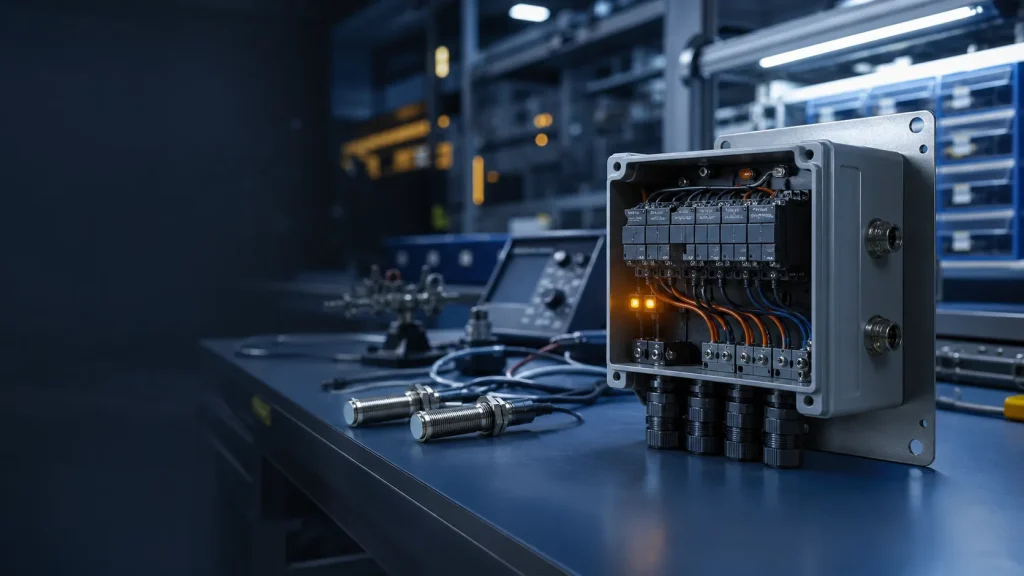
A molded or hybrid housing for controls, displays, connectors and service access.
Production Evidence
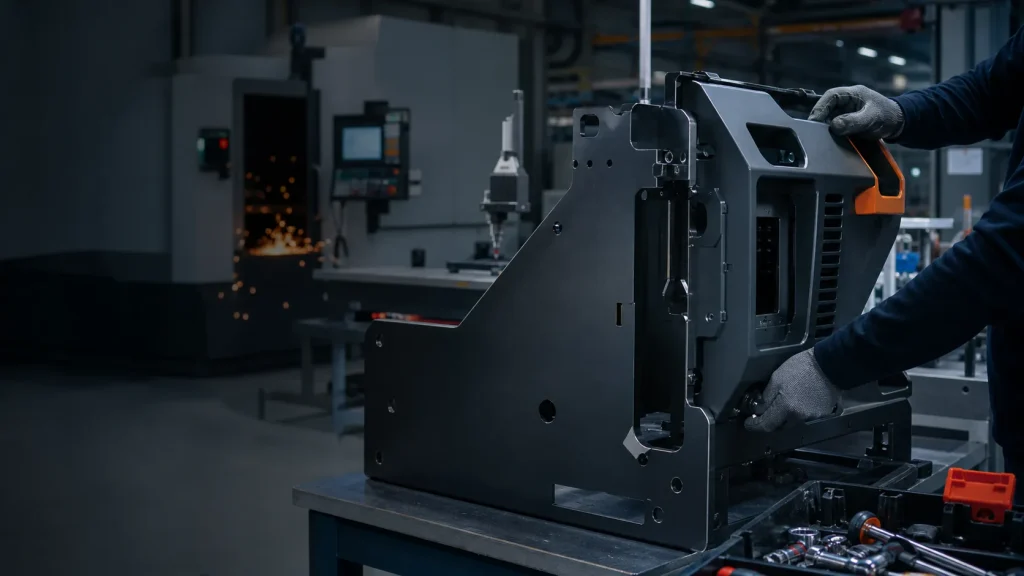
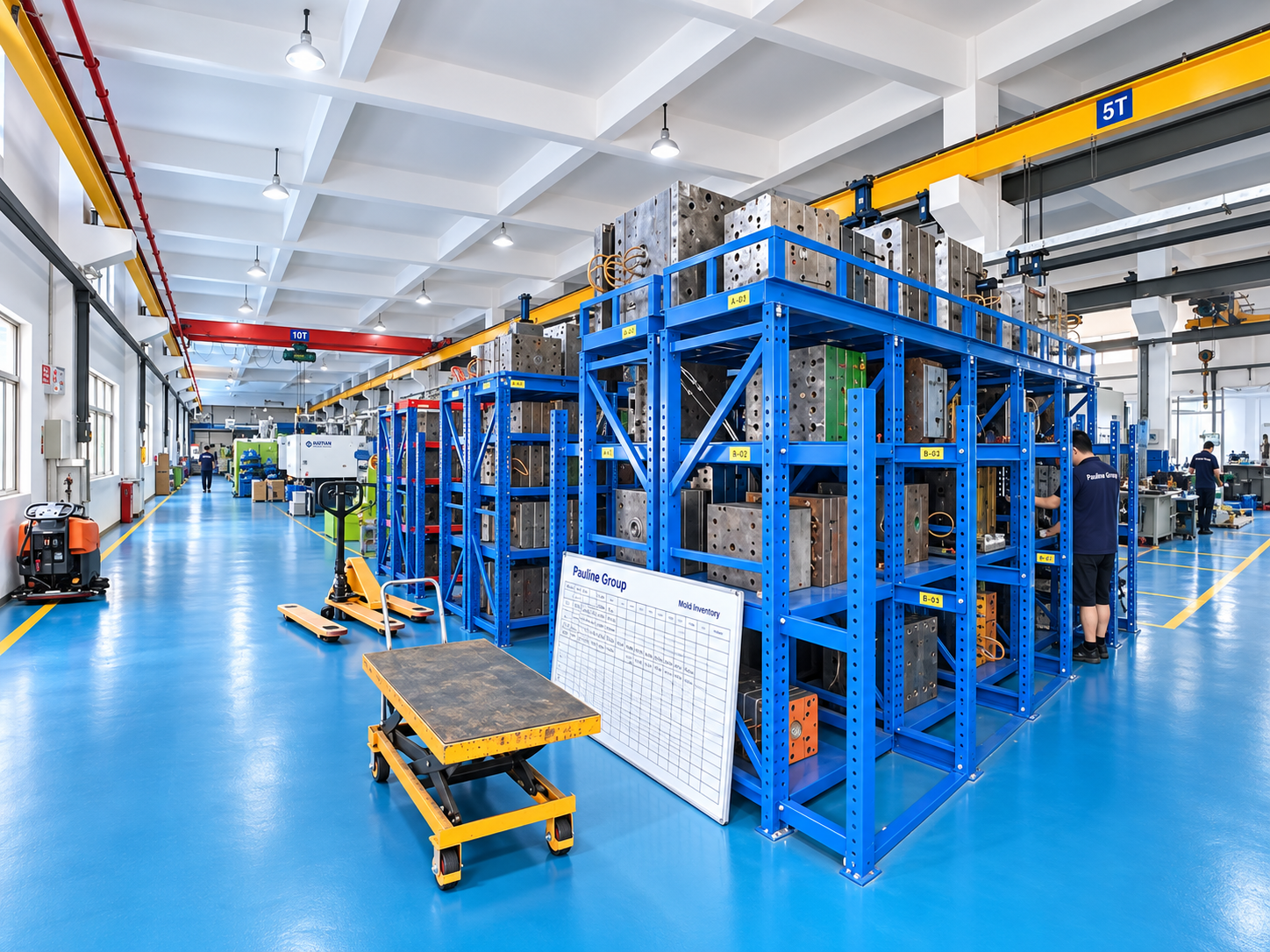
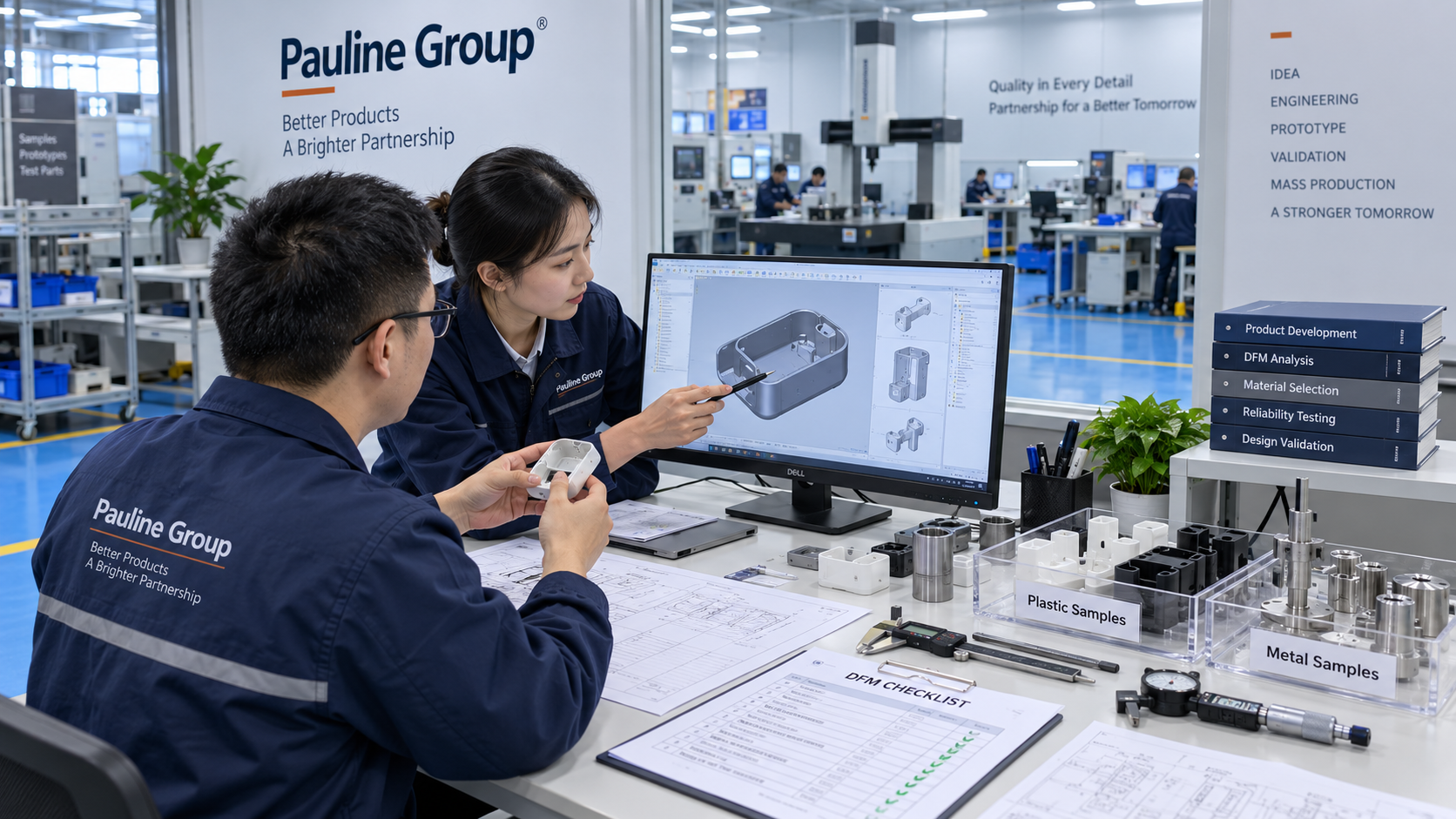
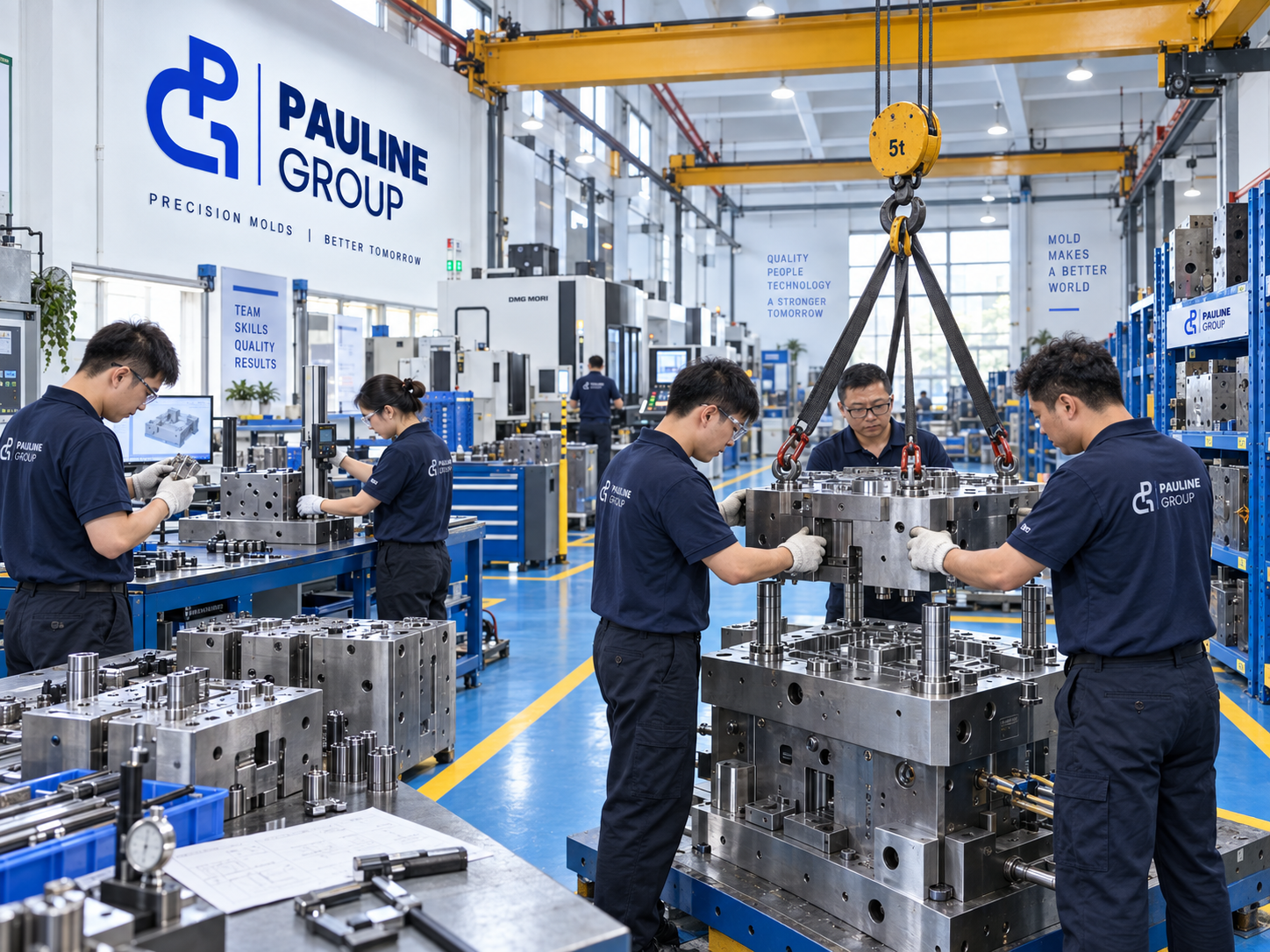
Three visual checkpoints help buyers review the manufacturing environment, representative output and quality-control route.
What Is This Process?
Design for Manufacturing uses part-split review, draft and wall-thickness assessment, tolerance stack-up discussion, fastening and sealing strategy, process comparison, assembly-access review and release-risk documentation to support a product design that is easier to tool, build, inspect, service and change without weakening the functional requirement. It connects engineering data, tooling or setup, material behavior, mating parts and sample approval.
Unclear geometry, quantity, material, finish or component assumptions can make a fast quotation unreliable.
Confirm critical interfaces and decide what needs DFM, a prototype, a trial or documented inspection.
Release cost, MOQ and timing against an agreed scope, evidence plan and change route.
Why Choose Pauline Group
Certification, delivery, response and replacement commitments follow verified evidence and signed project terms.
ISO 9001:2015 management and project-specific in-house QC. Applicable certificates, tests and compliance records are confirmed for...
Capacity, material availability and peak-season production slots are reviewed before order release. Confirmed milestones, change status...
Support for logo and decoration, packaging, size or function changes, accessory matching and ODM development helps...
A direct manufacturing route, volume-based commercial options and supplier consolidation make the cost structure easier to...
English-language project support, active-project response targets, shipping documents, technical follow-up and contract-defined nonconformance handling continue after...
Capability & Specification
Final capability is confirmed from the actual drawing, material, finish, quantity and inspection method.
| Materials | Material selection is reviewed against environment, load, chemical exposure, appearance and the... |
|---|---|
| Production capability | part-split review, draft and wall-thickness assessment, tolerance stack-up discussion, fastening and sealing... |
| Tolerance and interfaces | Drawing-defined dimensions, datums, mating features and functional clearances are reviewed according to... |
| Surface finish | Color, texture, paint, coating, printing or labels should be specified with an... |
| Quality control | a critical-feature list, mating-part checks, cosmetic expectation where relevant and a record... |
| Production volume | Prototype, pilot, low-volume or scaled production is selected against design maturity, setup... |
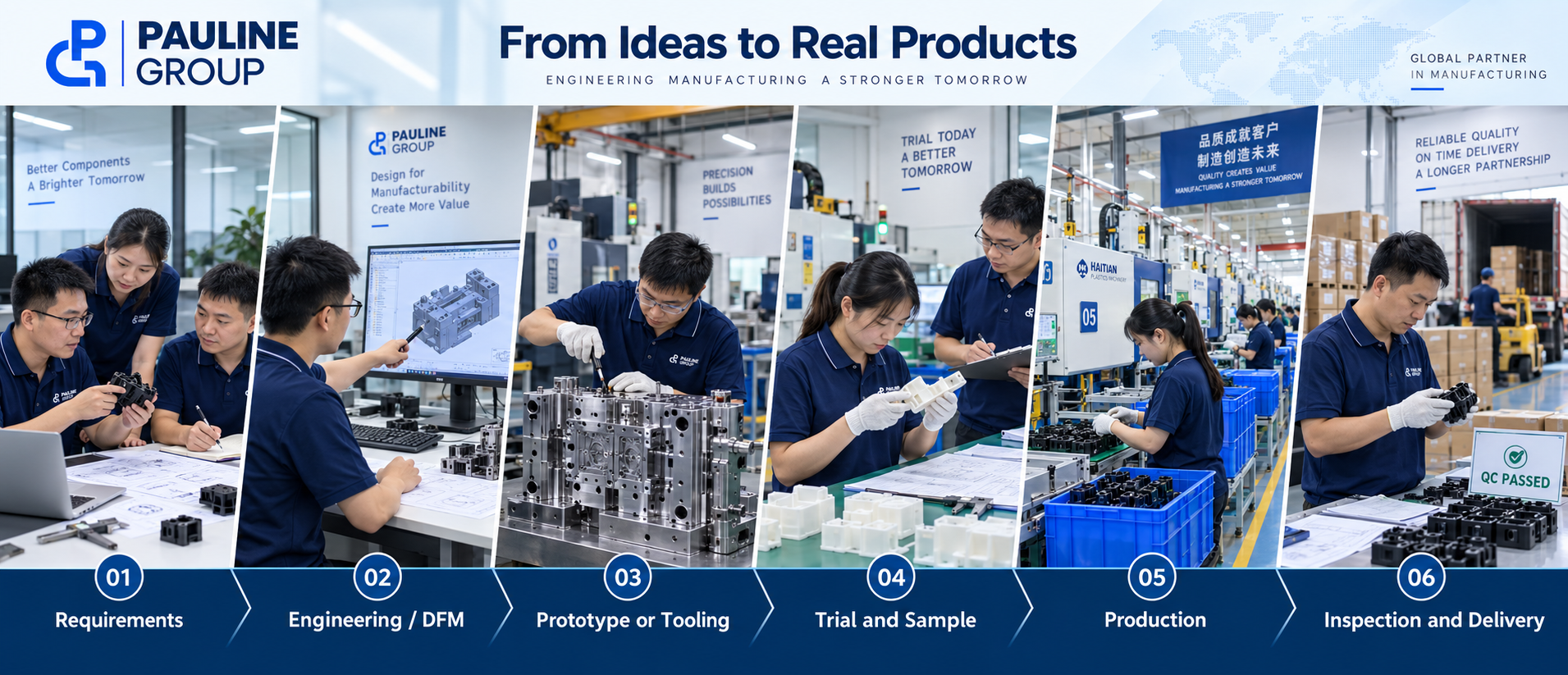
Manufacturing Process
Review a concept model, CAD assembly, key dimensions, target application, volume assumption, material preference and...
Check manufacturability, interfaces, materials, tolerances, component fit and the evidence required for approval.
Choose the sample, setup, fixture, mold or die route that answers the next technical question.
Produce controlled samples, record findings and close changes against the approved revision and acceptance method.
Run a focused review before prototype, tool design or supplier release, followed by documented design...
Complete agreed dimensional, appearance, functional, assembly, packing and shipping-document checks.
Materials / Technology
Substitutions require review when they affect fit, function, appearance, compliance evidence or service life.
| Material selection | Material selection is reviewed against environment, load, chemical exposure, appearance and the... |
|---|---|
| Process technology | a focused review before prototype, tool design or supplier release, followed by... |
| Finishing and decoration | Color, texture, paint, coating, printing or labels should be specified with an... |
| Accessories and assembly | Accessory matching covers inserts, hinges, gaskets, latches, cable glands, fasteners and bought-out... |
Quality Control
a critical-feature list, mating-part checks, cosmetic expectation where relevant and a record of design assumptions that must be proven by samples
Review quality and compliance →Confirm approved materials, supplier parts, certificates and visible-condition requirements before use.
Record dimensions, appearance, fit or function against the approved drawing, sample and revision.
Use defined checkpoints, gauges, fixtures and change records around the features that carry product risk.
Complete agreed inspection, assembly or functional checks, packaging verification and shipping documents.
Case Study
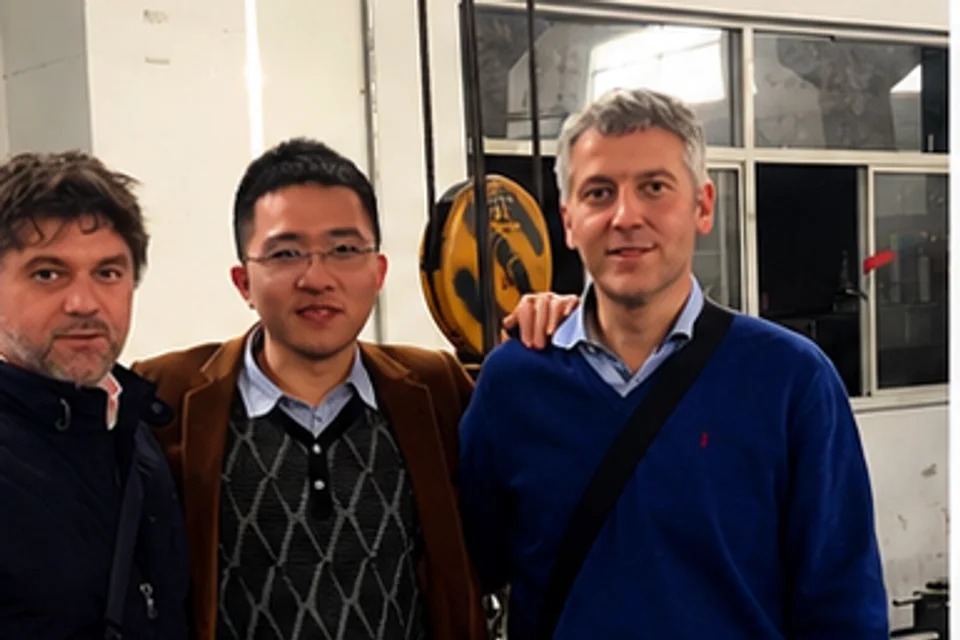
Purchasing Manager, Italy



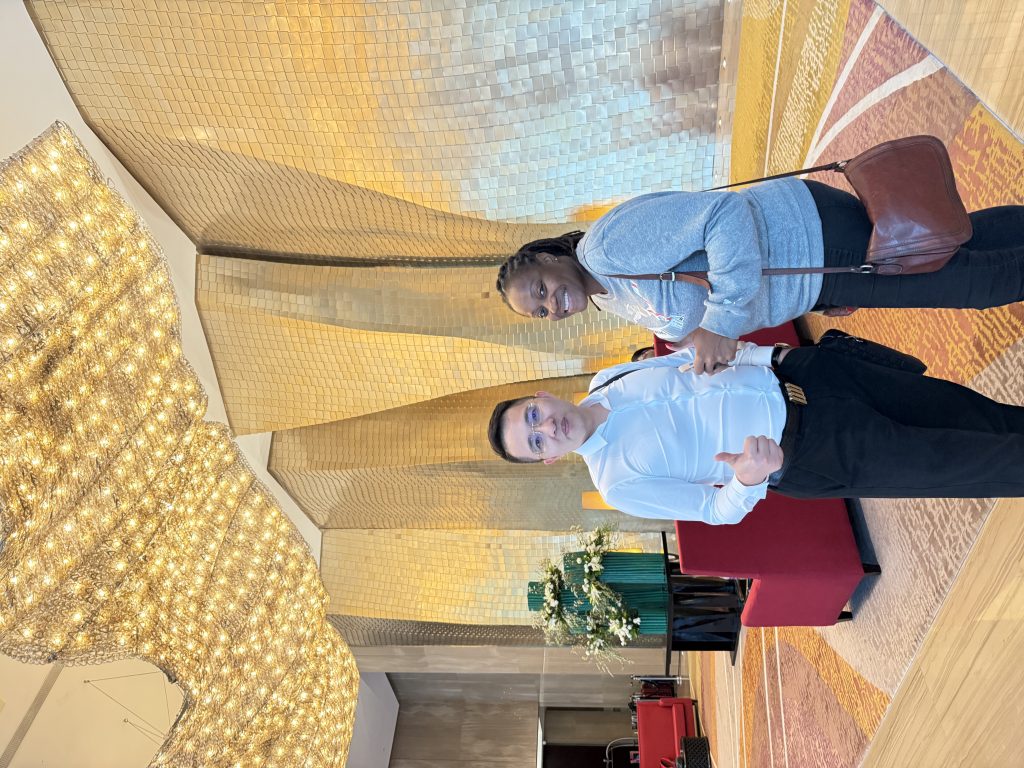
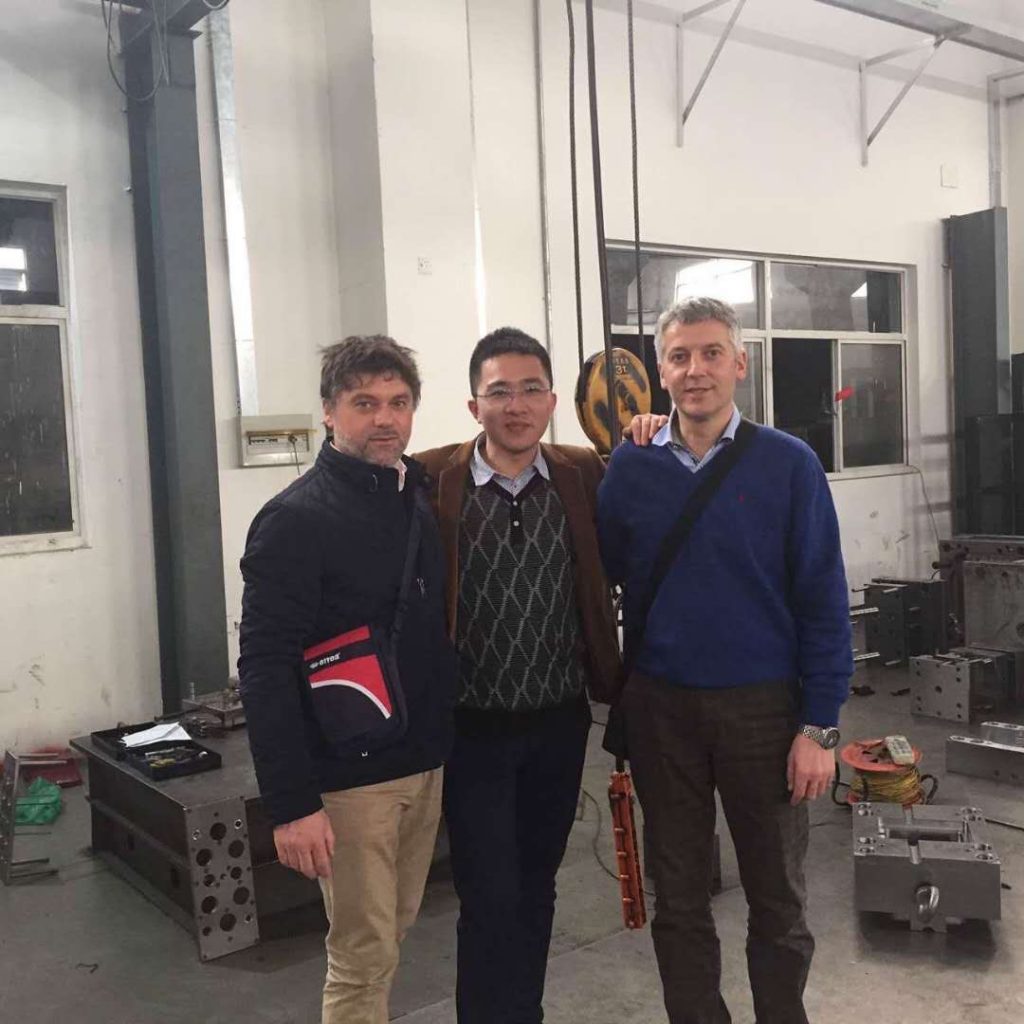

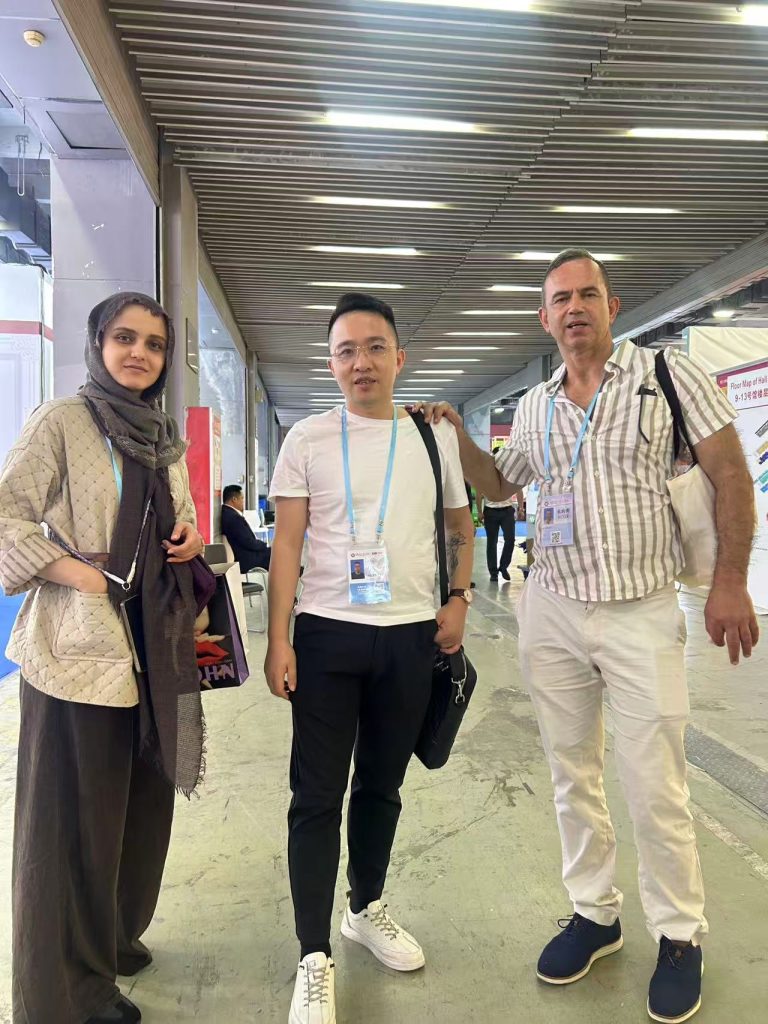
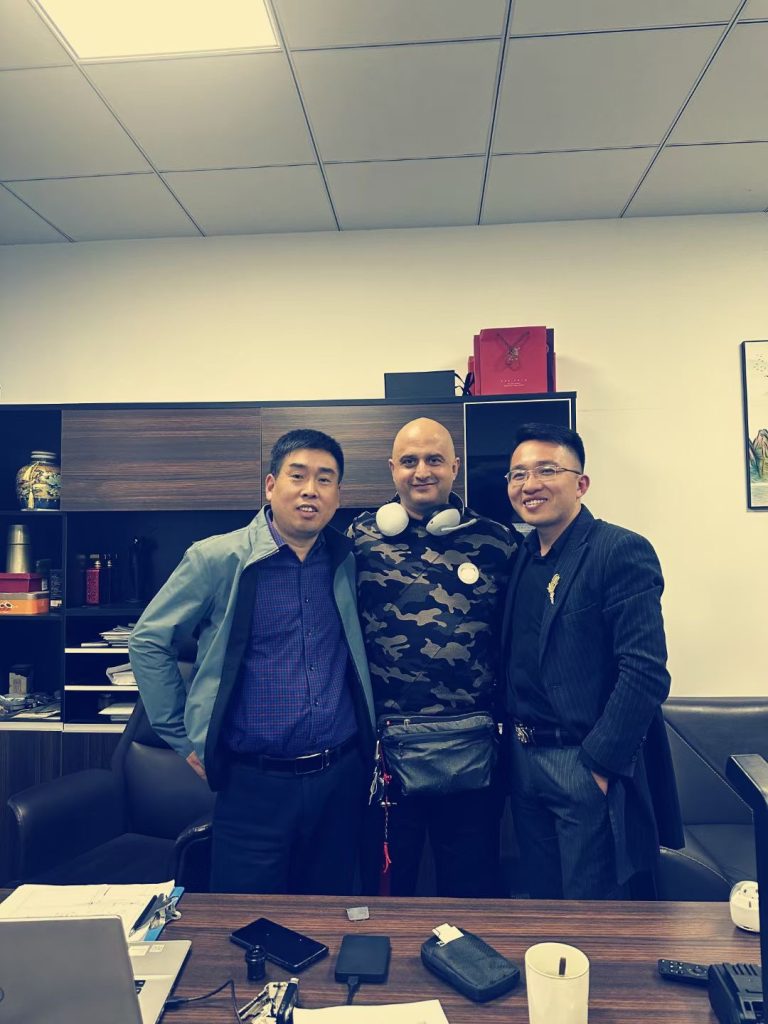

FAQ
Final cost, MOQ, tolerance, compliance and lead time require actual product data.
A practical review checks the product function, material, uniform wall construction, draft,...
DFM reduces avoidable tool complexity and production risk when it simplifies geometry...
MOQ follows the selected prototype or production process, setup or tool investment,...
Agree the drawing revision, material and finish direction, accessories, critical features, validation...
Yes. A sample, early CAD, drawing, BOM or concise brief can establish...
An NDA request can be routed before confidential drawings, product details or...
Material selection is reviewed against environment, load, chemical exposure, appearance and the...
The appropriate route depends on the decision being tested, expected quantity, design...
Existing tools should be reviewed through documented ownership, condition, maintenance history, output...
Accessory matching covers inserts, hinges, gaskets, latches, cable glands, fasteners and bought-out...
Request Quote
Share the application, 2D or 3D files, sample status, material and finish direction, expected quantity, target market, timing and the technical or commercial decision you need to make.