
Smart Appliance
Connected Appliance Housing
Molded shell, display, buttons and component mounts.


Industry Solution
Translate boards, motors, controls, displays and user interfaces into manufacturable plastic and metal parts, finishes and controlled mechanical assembly.
Direct Answer
Component models, connector access, thermal limits, safety and compliance ownership, cosmetic standards, assembly sequence and forecast should be connected to the enclosure DFM and tooling route.
Product Applications
Each card links to a relevant engineering case and a prefilled RFQ. Publish product-specific case pages only when Pauline has approved the evidence.
Smart Appliance
Molded shell, display, buttons and component mounts.
Power Electronics
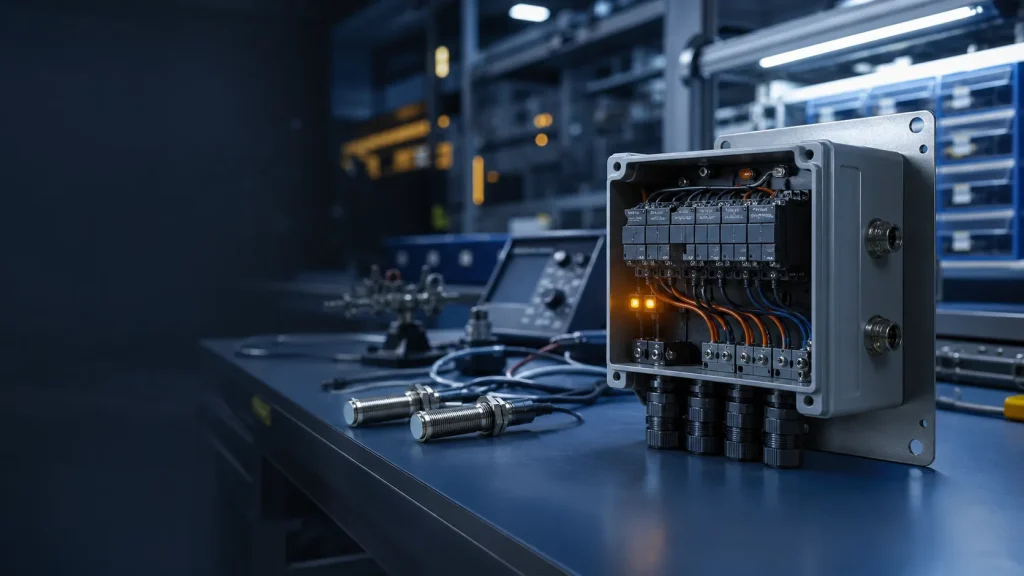
Thermal, connector, grounding and service interfaces.
Home Equipment
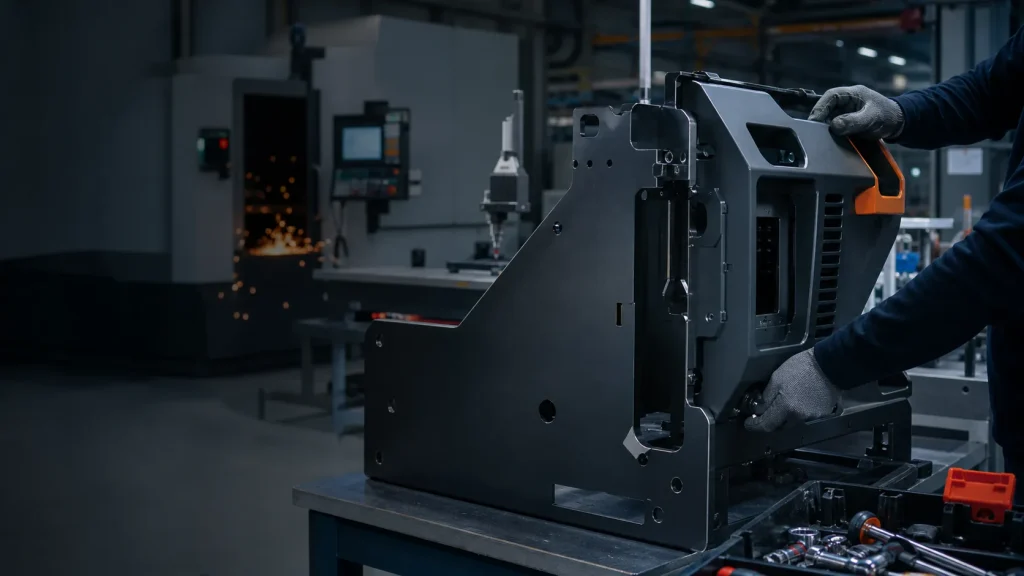
Plastic covers, metal brackets, motor and assembly.

Control Products
Cosmetic gaps, windows, inserts and cable access.
Buyer Risks
Late board or connector changes can disrupt tooling and assembly.
Buyer requirements must reach mechanical DFM before release.
Gap, flush, color, gloss and texture need approved limits.
Fasteners, wires and bought-out parts influence labor and reliability.
Connected Services
Review process fit, materials, interfaces, MOQ, evidence and release requirements for this industry.
Review service →02Review process fit, materials, interfaces, MOQ, evidence and release requirements for this industry.
Review service →03Review process fit, materials, interfaces, MOQ, evidence and release requirements for this industry.
Review service →04Review process fit, materials, interfaces, MOQ, evidence and release requirements for this industry.
Review service →05Review process fit, materials, interfaces, MOQ, evidence and release requirements for this industry.
Review service →06Review process fit, materials, interfaces, MOQ, evidence and release requirements for this industry.
Review service →Buyer Decision Matrix
| Decision area | Buyer input | Pauline review |
|---|---|---|
| Operating context | Environment, duty cycle, temperature, moisture, chemicals and service life | Material, finish, interface and buyer-required validation boundary |
| Product architecture | CAD, drawings, sample, BOM and mating components | DFM, tolerance stack, access, assembly and revision risks |
| Volume and timing | Prototype, pilot, annual forecast and target launch | Process route, tooling investment, MOQ, capacity and realistic gates |
| Appearance | Color, texture, gloss, marking and cosmetic limits | Cross-process standards, samples and inspection method |
| Validation | Critical dimensions, function, compliance and approval responsibility | Inspection plan, records, buyer approvals and evidence ownership |
Project Scope and Commercial Controls
Typical product directions on this page include Connected Appliance Housing, Power Module Enclosure, Motorized Product Chassis, Display and HMI Housing. Before Pauline confirms tooling, unit cost, MOQ or delivery, the buyer should identify which parts are manufactured by Pauline, which components are customer-supplied, which approved brands or grades are mandatory, and which assembly or functional checks belong in the contract. The quote should separate known scope from assumptions so a later component, finish or volume change does not silently alter cost and timing.
The working route may combine Industrial Design, 3D Modeling & CAD, Injection Mold Tooling, Plastic Injection Molding, Supplier Integration, Complete Product Assembly. Material certificates, first-article dimensions, appearance samples, supplier records, trial reports and packing evidence are selected according to the product risk and buyer requirement. Capacity reservations and delivery dates become meaningful after files, forecast, tool-release criteria, sample approval time and component lead times are confirmed. Change control should name the effective CAD, drawing and BOM revision, the approval owner and the commercial effect before revised production begins.
Featured Engineering Case Study
The case page explains the project brief, manufacturing constraints, DFM decisions, process route, quality evidence and publication boundary instead of showing an unsupported product gallery.
Quality and Program Control
Pauline coordinates incoming, trial, in-process, assembly and final checks around critical features. Product certification and market approval remain with the responsible product owner unless a qualified test scope is explicitly included.
Electronics and Appliances FAQ
Yes, if component models, keep-outs, interfaces, thermal data and buyer validation requirements are available.
Yes, under one controlled BOM, assembly route and inspection plan.
Use color, texture, gloss and defect-limit samples under agreed viewing conditions.
Only when the exact test, fixture, software, acceptance and responsibility are agreed.
Provide CAD, components, volumes, material, finish, target market, certification boundary and timing.
Start a Electronics and Appliances Project
Share CAD, drawings, samples, BOM, materials, quantities, finishes, target market, component responsibility and the evidence needed for release.