Plastic-to-metal stack-up
Independent tolerances across covers, panels, inserts, brackets and fasteners can create visible gaps or difficult assembly.


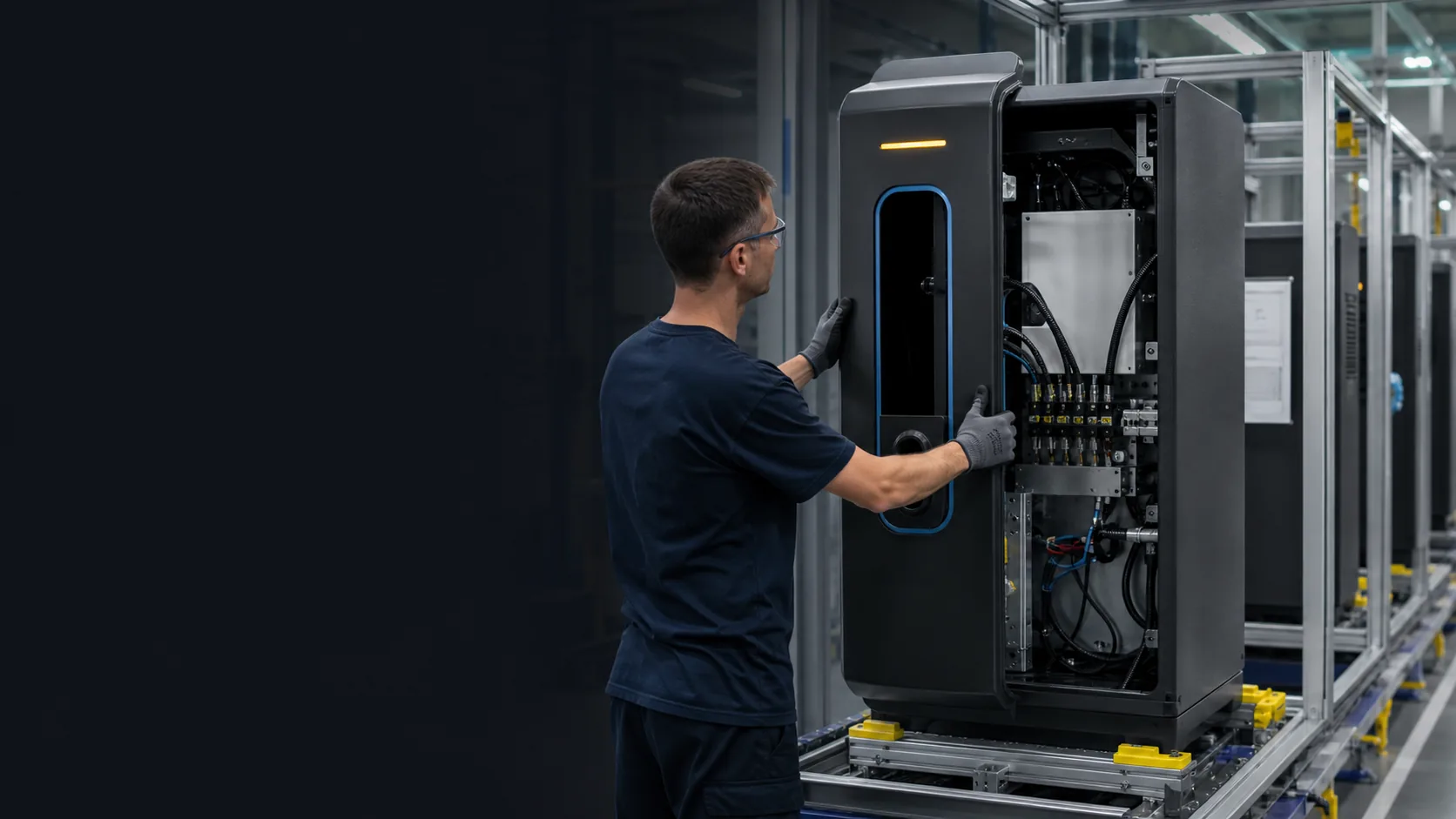
Engineering Case Study
A practical engineering route for coordinating enclosure architecture, injection-molded covers, sheet-metal structures, bought-out components and final assembly before production release.
01 / Project Brief
This brief makes the relationship between application, process, material, buyer input and evidence clear before the detailed engineering narrative.
02 / Project Background
The buyer needs an outdoor charging enclosure that can move from an evolving product definition into repeatable production. The product combines structural sheet metal, molded covers, doors, seals, fasteners, labels and customer-specified electrical hardware.
Quoting each part independently would leave the highest risks unmanaged. Door flatness changes gasket compression, coating buildup changes fit, molded bosses affect metal brackets, and component revisions affect the controlled BOM. Pauline therefore treats the enclosure as one product architecture.
The release objective is a controlled set of CAD, drawings, BOM, appearance references and validation responsibilities that every tooling, fabrication, sourcing and assembly activity can follow.
03 / The Challenge
Independent tolerances across covers, panels, inserts, brackets and fasteners can create visible gaps or difficult assembly.
Gasket geometry, panel flatness, fastener preload and service-door use must be reviewed as one interface.
Doors, connectors and service parts must remain reachable without weakening structural or sealing decisions.
Mold texture, molded color and powder-coat gloss need one approval standard under comparable lighting.
Tooling, fabricated parts, purchased components and fixtures must follow the same approved product revision.
04 / Engineering Analysis and DFM
Every review item should identify the question, responsible owner and evidence needed before tooling, production or assembly moves forward.
| Review area | Engineering question | Release evidence |
|---|---|---|
| Molded housing | Check wall thickness, draft, ribs, bosses, inserts, parting line, gate and ejection. | Marked DFM, revised CAD and tool-release record |
| Metal cabinet | Confirm datums, bends, weld access, holes, flatness and coating allowance. | Fabrication drawing and control-dimension plan |
| Sealing interface | Review gasket path, compression, panel stiffness, fastener pitch and service cycles. | Interface drawing and buyer-defined validation plan |
| Assembly access | Confirm tool access, wiring space, connector reach and replaceable components. | Assembly sequence and trial-build record |
| Appearance | Define texture, gloss, color and cosmetic limits across plastic and metal. | Approved limit sample and finish specification |
05 / Selected Solution
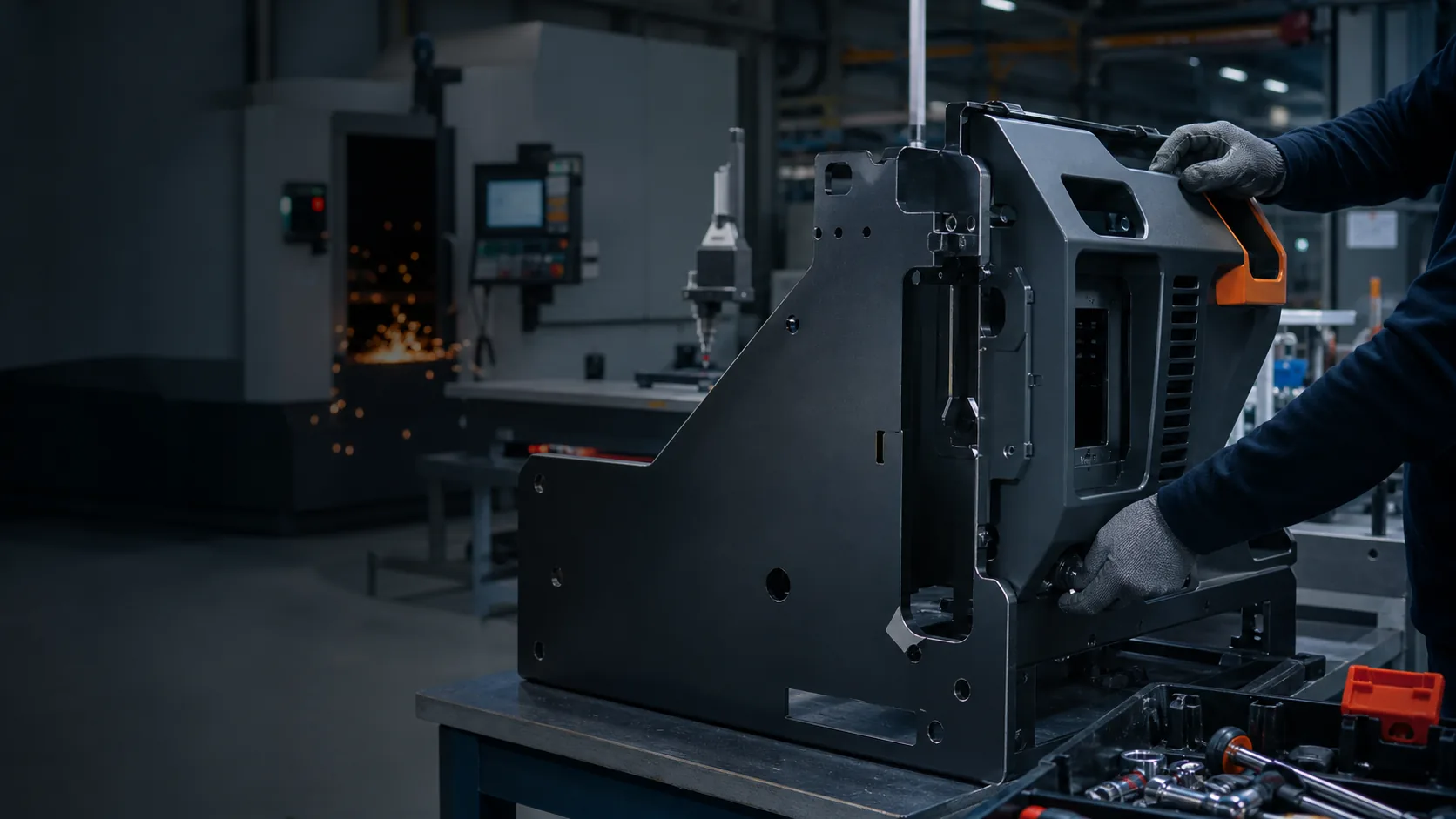
Establish the metal structure as the primary datum, define plastic-to-metal interface points, freeze the controlled BOM and close service-access questions before production tooling. Prototype and T0/T1 builds are used to answer fit, sealing, appearance and assembly questions at planned release gates.
The final route remains project-specific. Cost, MOQ and lead time become reliable only after materials, files, component responsibility, acceptance criteria and change ownership are confirmed.
Solution controls
06 / Manufacturing Route
Use, CAD, sample, components, volumes and open decisions.
Map architecture, interfaces, scope and evidence.
Test the highest-risk fit, access or functional assumptions.
Close process, tolerance, finish and assembly risks.
Release tools and fixtures against controlled files.
Produce parts through approved process plans.
Validate bought-out parts and complete-product interfaces.
Control changes, packing, records and delivery.
Review process fit, interfaces, evidence, MOQ, lead time and buyer inputs for this project stage.
Review related service →Review process fit, interfaces, evidence, MOQ, lead time and buyer inputs for this project stage.
Review related service →Review process fit, interfaces, evidence, MOQ, lead time and buyer inputs for this project stage.
Review related service →Review process fit, interfaces, evidence, MOQ, lead time and buyer inputs for this project stage.
Review related service →07 / Quality and Validation
A credible project record names the check, method, sample or record and approval owner. Generic quality claims do not replace project-specific acceptance criteria.
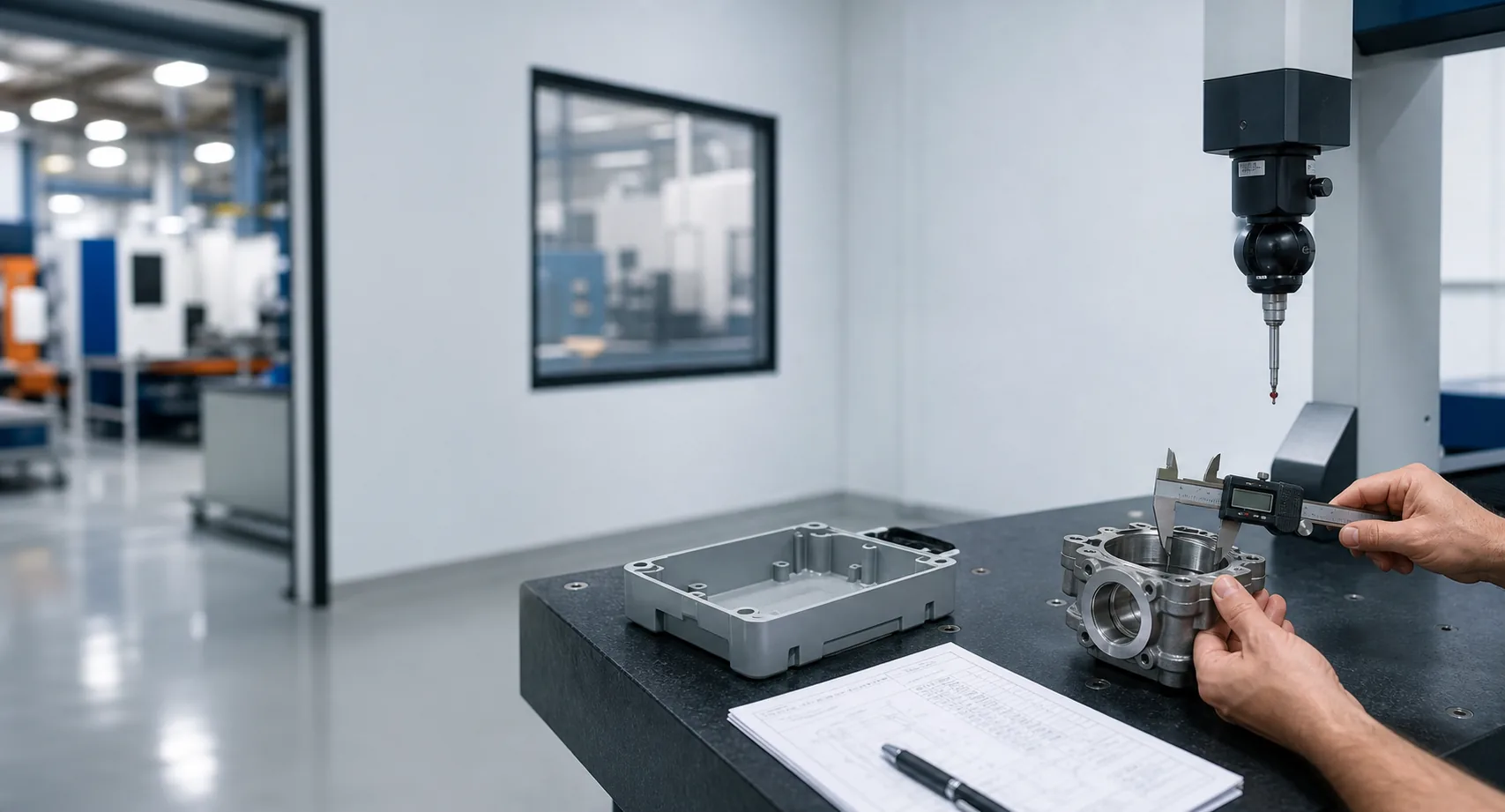
Critical mating dimensions, hole and insert position, panel flatness and defined datums
Door movement, access, fastener engagement, seal interface and assembly fit
Texture, color, gloss, coating coverage, marking and cosmetic limits
DFM approval, T0/T1 report, approved sample, inspection and packing records
08 / Project Result
These release outcomes describe the intended evidence structure.
Review Pauline quality management →Evidence-led outcome framework
09 / Production Evidence
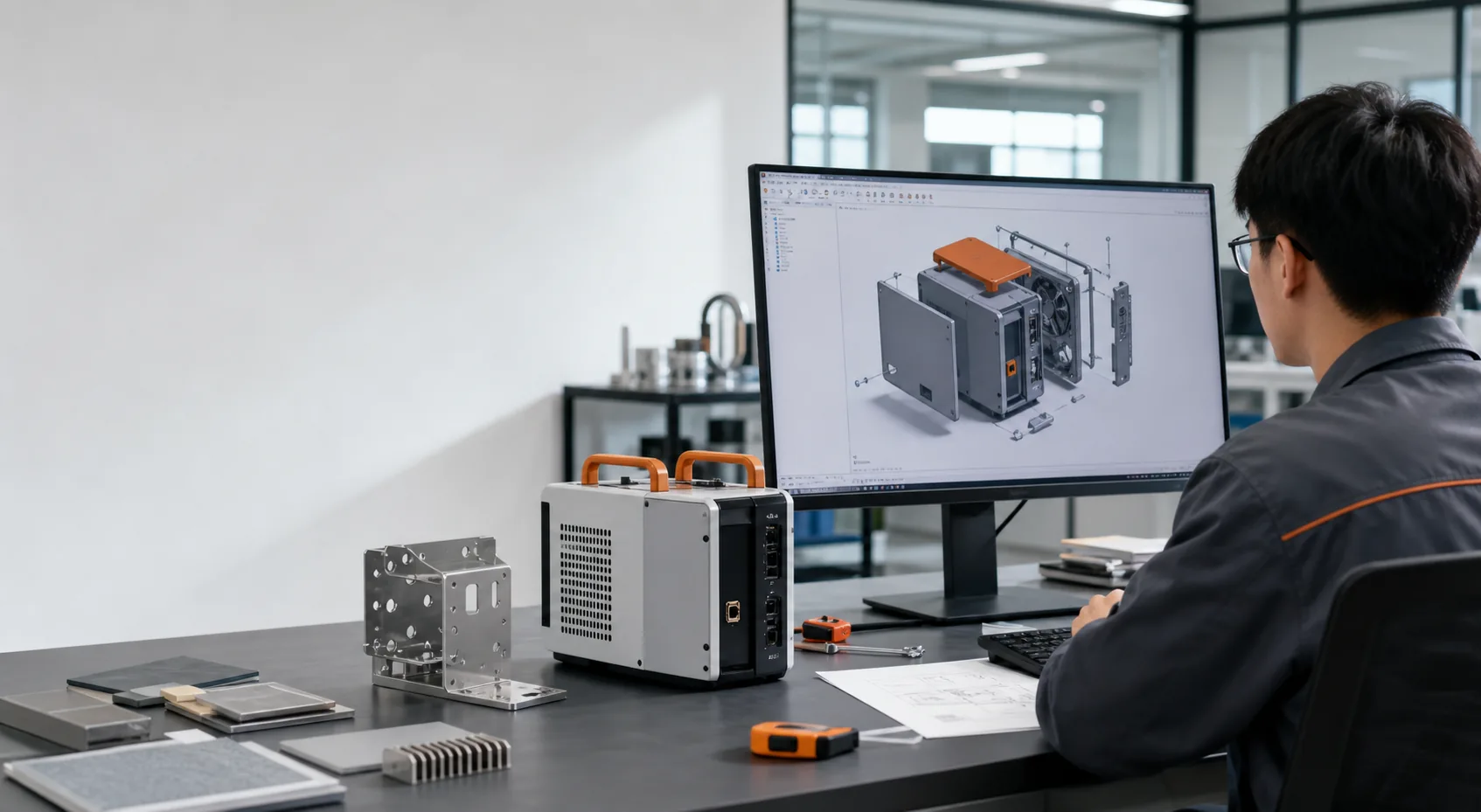
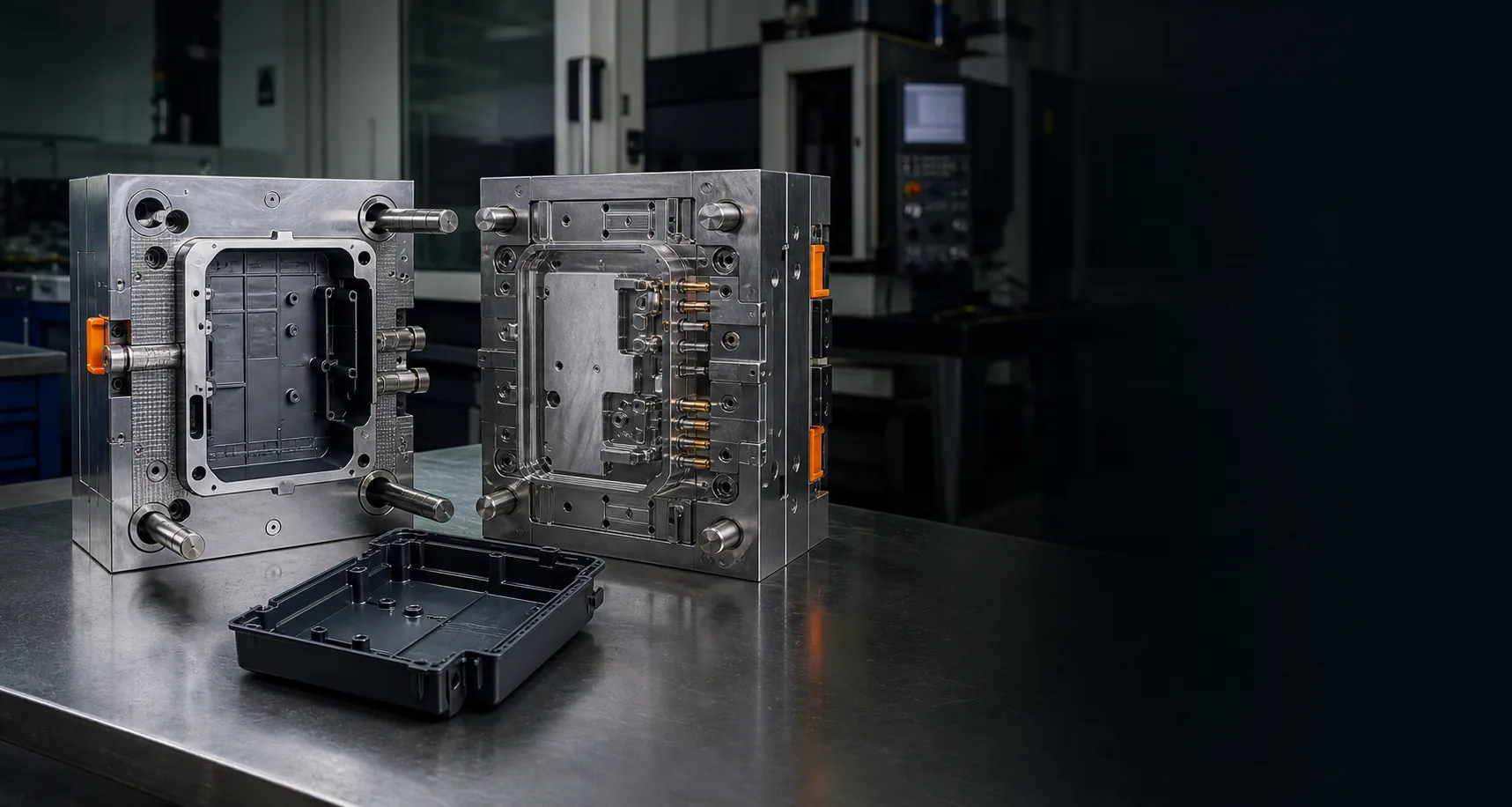
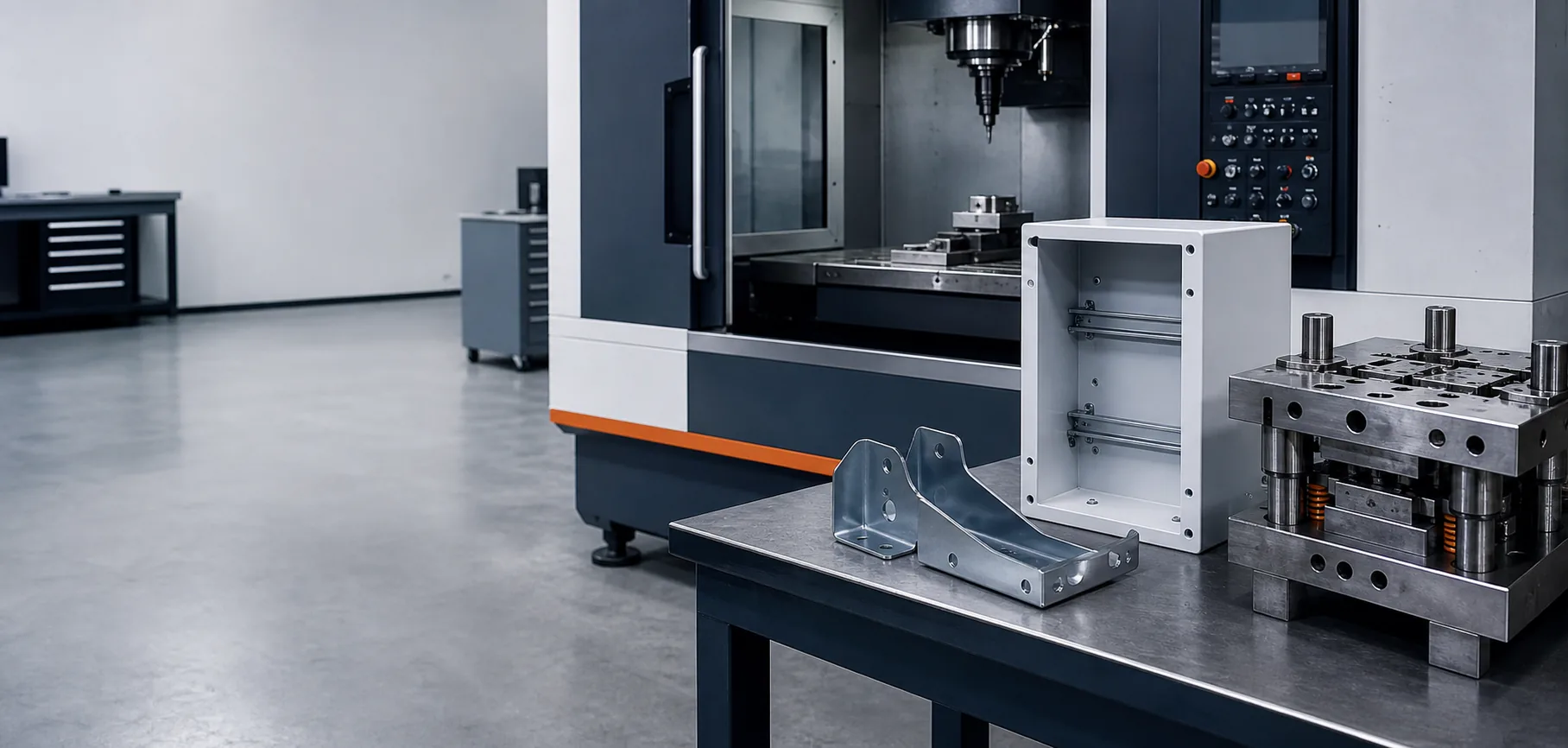
10 / Engineering Lessons
For outdoor equipment, sealing is not a gasket-only decision. Panel flatness, boss and fastener position, preload, coating buildup and the complete tolerance stack determine whether the interface works.
This conclusion should remain tied to the documented engineering route and should be revised when real project evidence changes the lesson.
11 / Buyer FAQ
Share 2D or 3D files, product environment, target volume, material direction, bought-out components, finish, access requirements and the validation responsibility expected from each party.
Yes. The scope must identify the controlled product revision, component ownership, approved samples, assembly checks and buyer-required records.
Review the complete interface: gasket geometry, panel flatness, fastener spacing, preload, coating buildup, assembly tolerance and service cycles.
Yes, provided tool ownership, machine compatibility, resin, trial samples, spares, documentation, packing and acceptance criteria are defined before release.
14 / Request a Project Review
Share CAD or drawings, a sample where available, product use, material and finish direction, target quantity, bought-out components, destination, timing and the technical or commercial decision you need to make.