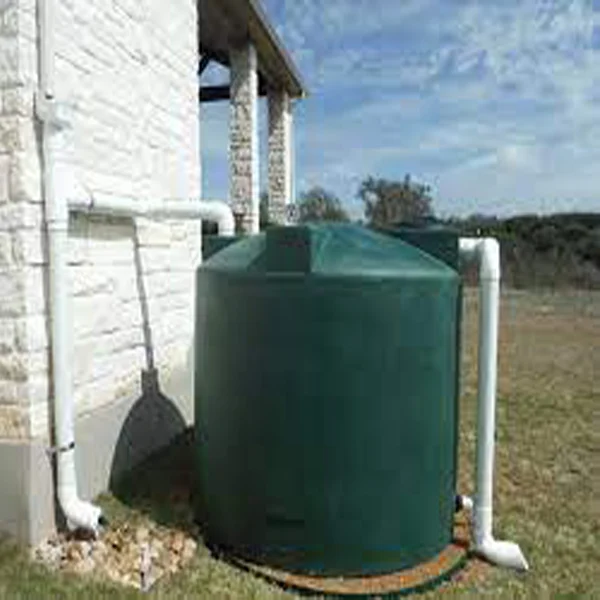
Floating Solar
Floating Support Component
Rotational or blow-molded body, inserts and connection points.

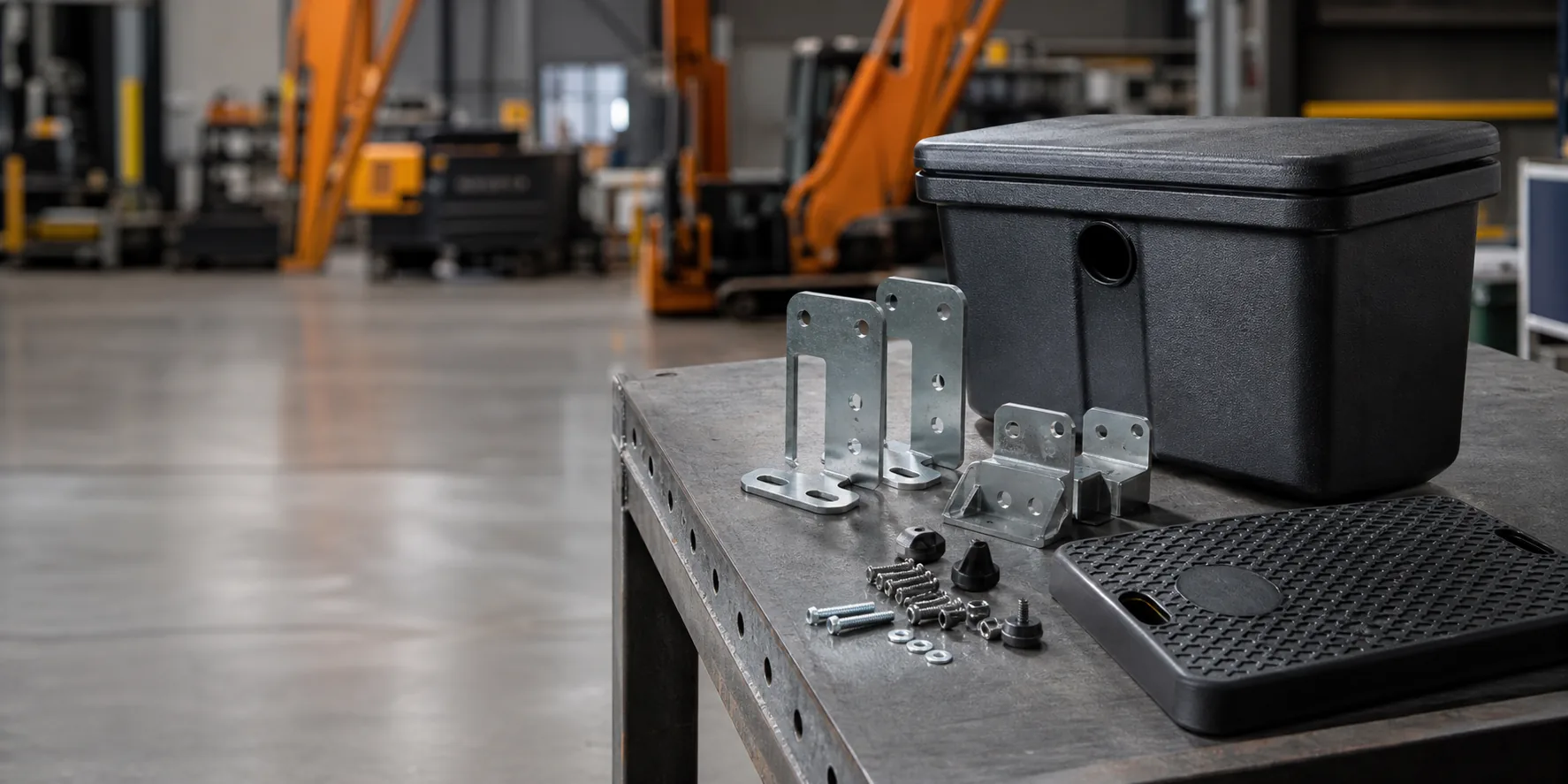
Industry Solution
Develop UV-, moisture- and corrosion-aware plastic and metal products for floating solar, marine accessories and outdoor infrastructure.
Direct Answer
Verify material grade, UV and environmental assumptions, load paths, water and drainage interfaces, corrosion protection, joining method, inspection evidence, maintenance access and the product owner's validation responsibility.
Product Applications
Each card links to a relevant engineering case and a prefilled RFQ. Publish product-specific case pages only when Pauline has approved the evidence.
Floating Solar
Rotational or blow-molded body, inserts and connection points.
Marine Equipment
Corrosion-aware materials, seals, mounts and access.
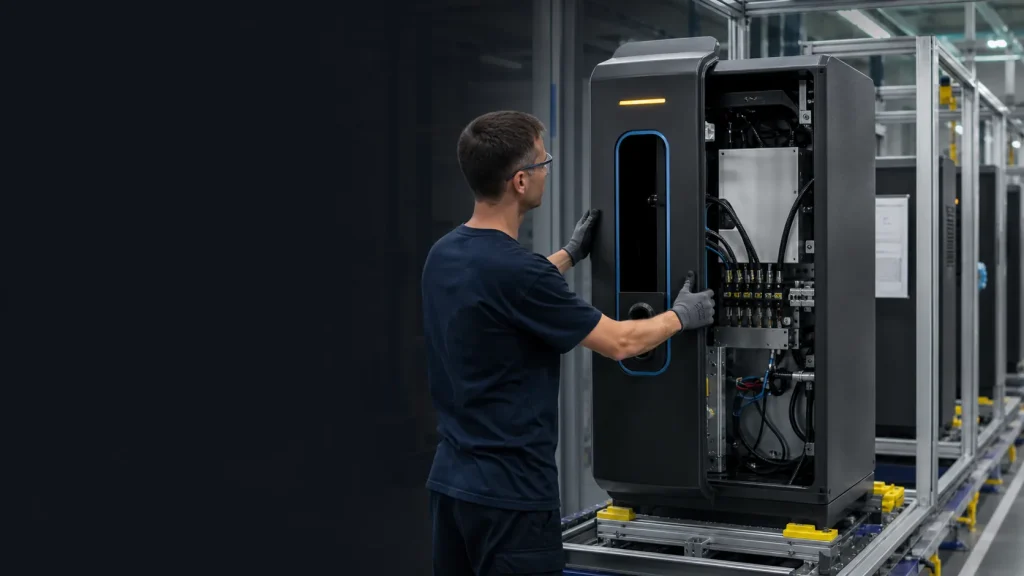
Outdoor Energy
Molded shells, strain relief, brackets and labels.
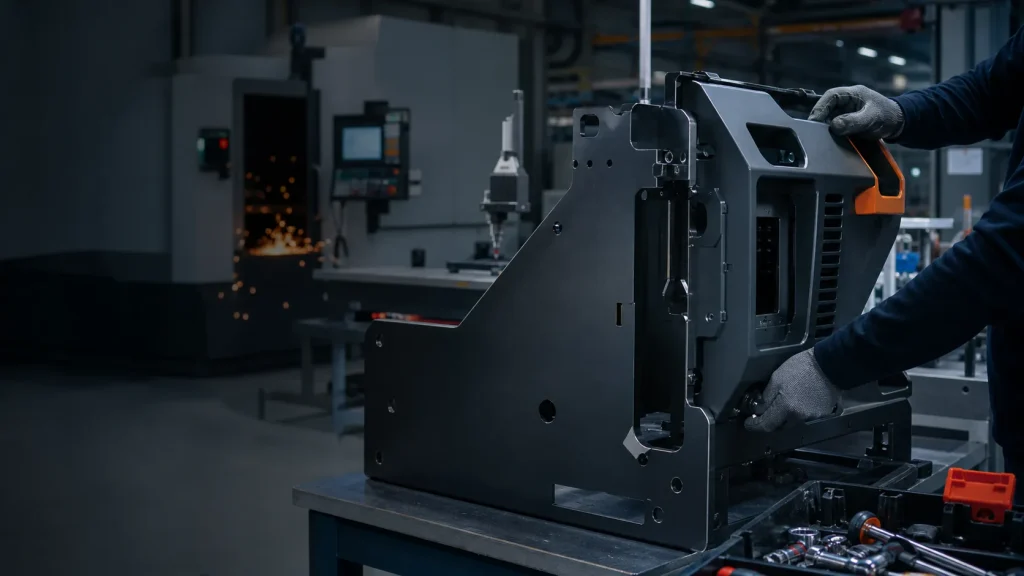
Infrastructure
Fabricated cabinet, molded covers and assembly.
Buyer Risks
Resin grade, pigment and finish need environment-specific evidence.
Drainage, sealing and trapped-water risks must be reviewed together.
Alloy, coating, fasteners and dissimilar-metal contacts affect service life.
Buoyancy, mounting and transport loads require buyer-defined calculations and tests.
Connected Services
Review process fit, materials, interfaces, MOQ, evidence and release requirements for this industry.
Review service →02Review process fit, materials, interfaces, MOQ, evidence and release requirements for this industry.
Review service →03Review process fit, materials, interfaces, MOQ, evidence and release requirements for this industry.
Review service →04Review process fit, materials, interfaces, MOQ, evidence and release requirements for this industry.
Review service →05Review process fit, materials, interfaces, MOQ, evidence and release requirements for this industry.
Review service →06Review process fit, materials, interfaces, MOQ, evidence and release requirements for this industry.
Review service →Buyer Decision Matrix
| Decision area | Buyer input | Pauline review |
|---|---|---|
| Operating context | Environment, duty cycle, temperature, moisture, chemicals and service life | Material, finish, interface and buyer-required validation boundary |
| Product architecture | CAD, drawings, sample, BOM and mating components | DFM, tolerance stack, access, assembly and revision risks |
| Volume and timing | Prototype, pilot, annual forecast and target launch | Process route, tooling investment, MOQ, capacity and realistic gates |
| Appearance | Color, texture, gloss, marking and cosmetic limits | Cross-process standards, samples and inspection method |
| Validation | Critical dimensions, function, compliance and approval responsibility | Inspection plan, records, buyer approvals and evidence ownership |
Project Scope and Commercial Controls
Typical product directions on this page include Floating Support Component, Protective Equipment Housing, Cable and Connector Protection, Large Outdoor Utility Enclosure. Before Pauline confirms tooling, unit cost, MOQ or delivery, the buyer should identify which parts are manufactured by Pauline, which components are customer-supplied, which approved brands or grades are mandatory, and which assembly or functional checks belong in the contract. The quote should separate known scope from assumptions so a later component, finish or volume change does not silently alter cost and timing.
The working route may combine Industrial Design, Rotational Mold Tooling, Blow Mold Manufacturing, Rotational Molded Products, Surface Finishing, Global Delivery Support. Material certificates, first-article dimensions, appearance samples, supplier records, trial reports and packing evidence are selected according to the product risk and buyer requirement. Capacity reservations and delivery dates become meaningful after files, forecast, tool-release criteria, sample approval time and component lead times are confirmed. Change control should name the effective CAD, drawing and BOM revision, the approval owner and the commercial effect before revised production begins.
Featured Engineering Case Study
The case page explains the project brief, manufacturing constraints, DFM decisions, process route, quality evidence and publication boundary instead of showing an unsupported product gallery.
Quality and Program Control
Pauline coordinates incoming, trial, in-process, assembly and final checks around critical features. Product certification and market approval remain with the responsible product owner unless a qualified test scope is explicitly included.
Marine, Floating Solar and Outdoor Systems FAQ
UV-stabilized HDPE, LLDPE, PP, PC and other grades may be considered; environment, load and required life determine selection.
Yes, rotational or blow molding may suit selected geometries and volumes.
Material pairing, pretreatment, coating, fasteners, drainage and maintenance should be defined together.
Only when a specific test and responsible qualified party are included. Manufacturing records do not replace product certification.
Provide CAD, environment, load cases, material direction, volume, interfaces, target market and validation requirements.
Start a Marine, Floating Solar and Outdoor Systems Project
Share CAD, drawings, samples, BOM, materials, quantities, finishes, target market, component responsibility and the evidence needed for release.